|
Biotechnology focuses on applications made possible by biological research.
Just as discoveries in physics, chemistry, and materials sciences brought us electricity and manufactured goods----and just as discoveries in electronics paved the way to the Internet-- so discoveries in the life sciences are driving a new revolution in biotechnology.
Biotechnology is Evolving
We are right in the midst of the biotechnology revolution, so it is difficult to imagine its future impact. Even our most creative visionaries cannot fully picture where biotechnology will be 20 years from now, or even ten years, or five.
Hindsight is always 20:20. Based on what we now know, it is easy to be amused by the 1977 quotation from Ken Olsen, founder and CEO of Digital Equipment Corporation, when he said that there is no reason for any individual to have a computer in his home. In 1977, it was not easy to imagine how easy it would become to manufacture personal computers, nor was easy to see the numerous ways in which personal computers are now used by individuals throughout the world. Similarly, it is difficult to foresee biotechnological solutions that could become commonplace in the future.
Biotechnology Today: A Broad Spectrum of Applications
Today, the known applications for biotechnology can be seen as a spectrum.
Green Biotechnology
Green biotechnology refers to agricultural applications, such as production of disease-resistant or UV-resistant plants, or plants that have superior qualities, by means of genetic modification.
Other examples include production of biofuels, such as ethanol or methane, from crops such as corn, or even from marine algae grown at land-based production facilities.
White (Grey) Biotechnology
White biotechnology is applied to industrial processes. An important example is bioremediation by microbes----where microbes are utilized to clean up toxic or hazardous industrial wastes in the environments, such as PCBs.
A second example is the use of microbes to produce products for industrial use, such as the subtilisin enzymes now widely used in laundry detergents.
Blue Biotechnology
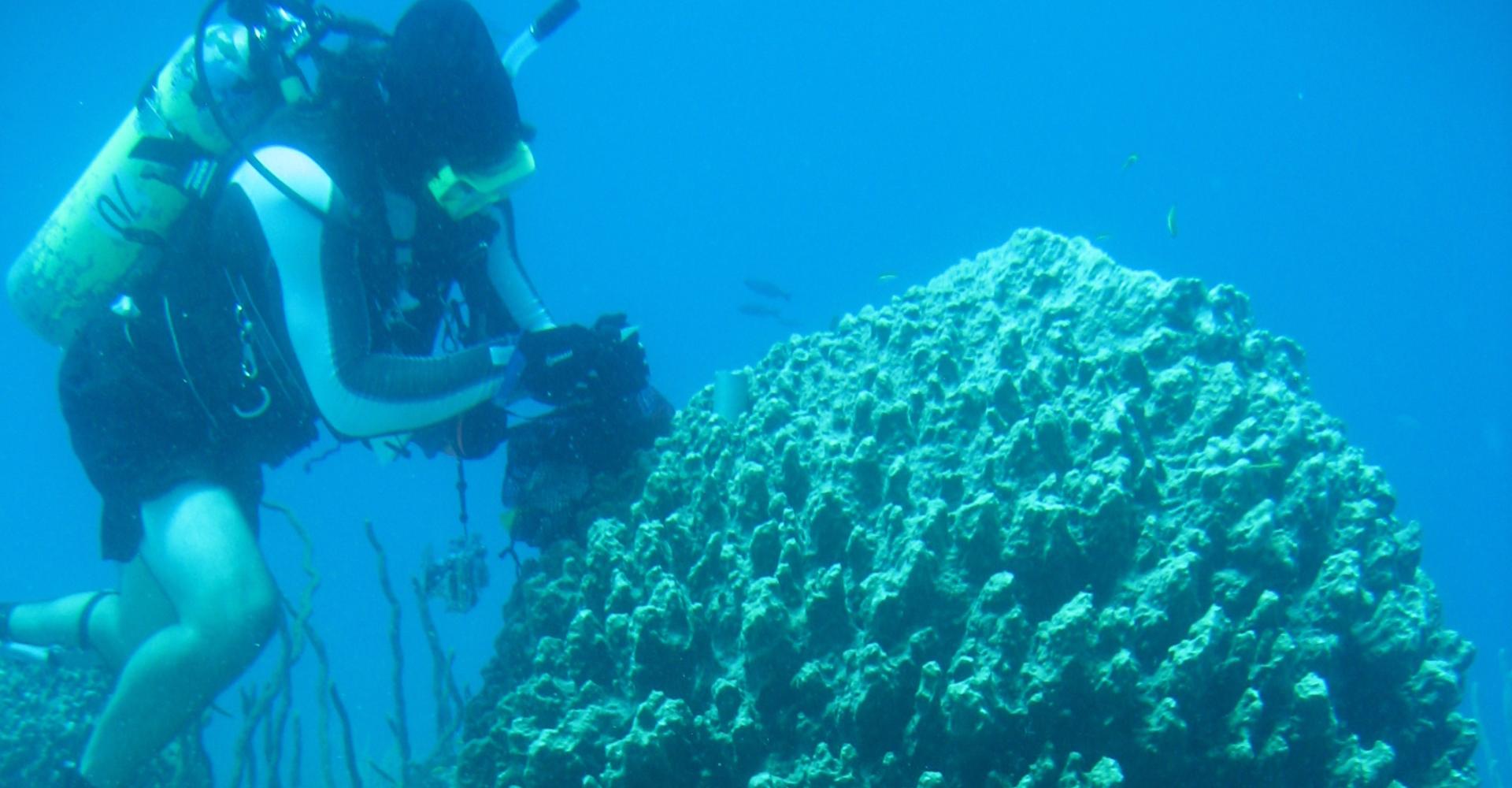
Blue Biotechnology applies to marine or aquatic applications, such as restoring or preserving various aquatic species, such as blue crabs in the Chesapeake Bay.
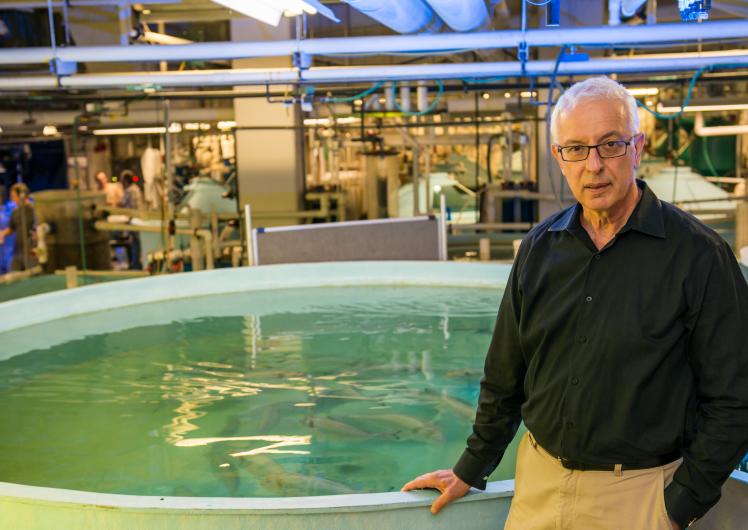
A second example is land-based marine aquaculture, which is based on methods for large-scale hatching and growth of marine fishes in a completely self-contained, recirculating environment.
Red Biotechnology
Red biotechnology refers to medical applications of biotechnology, such as antibiotics and pharmaceuticals that are based on recombinant DNA technology.
Multicolored Biotechnology
Biotechnology is often interdisciplinary, and so many applications may be classified in more than one color category. For example, production of biodiesel fuel from agricultural or waste materials could be considered to be both white and green, or white and blue, biotechnology.
Bioinformatics, Genomics, and Structural Biology
Recent advances in computer science and the Internet have fueled advances in biotechnology that rely on rapid microprocessors, massive databases, and clever algorithms for analysis and interpretation of large amounts of information.
Protein folding and molecular interactions
Analysis and prediction of the three-dimensional structures, shapes, and binding interactions of molecules such as proteins, DNA and RNA can be made by combining physical measurements (NMR, X-ray diffraction, PCR and sequence analysis), with computer methods for rapid interpretation, storage and analysis of the physical data.
Genomics
Rapid DNA sequencing and methods for aligning, searching, and comparing massive amounts of DNA sequence data.
|